
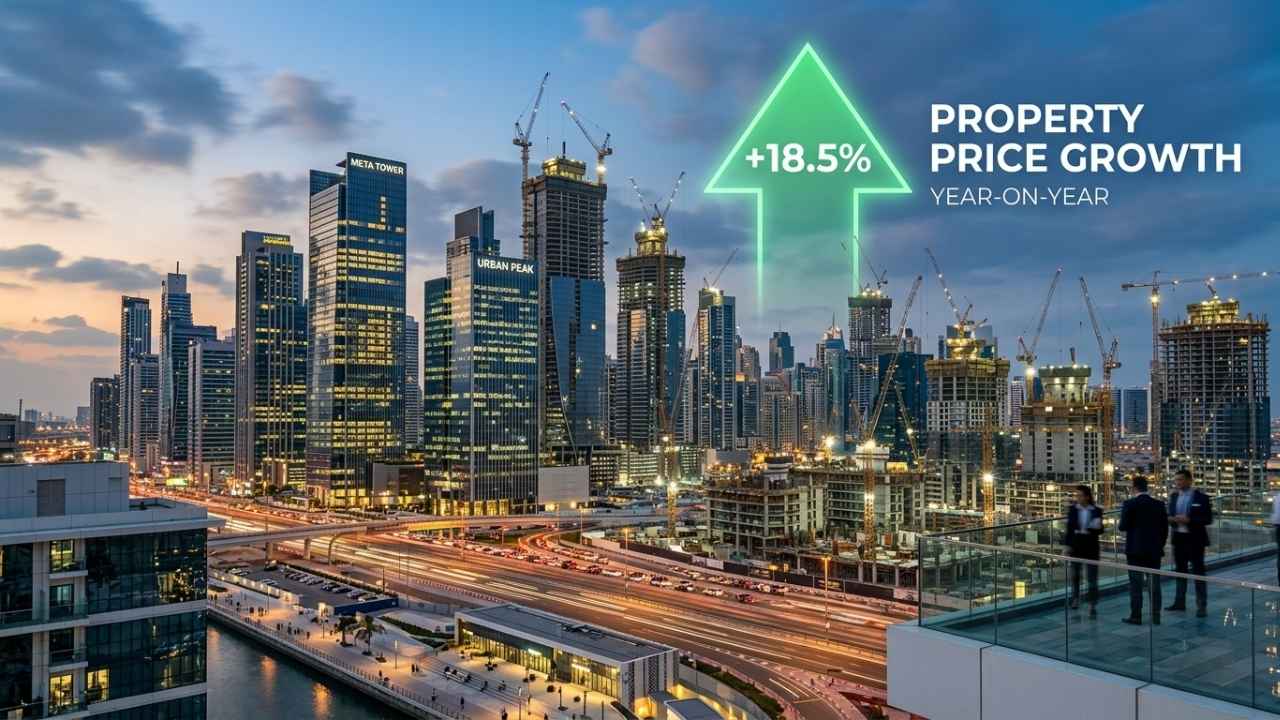
Why Property Prices Always Appreciate in Growing Cities
Introduction
Property prices in growing cities have consistently shown an upward trend over time. Whether it is metropolitan hubs or rapidly developing tier-2 cities, real estate values tend to rise as urbanization and economic activity expand. For investors and homebuyers, understanding the reasons behind this appreciation is essential for making informed decisions.
This article explores the key factors that drive property price growth in developing urban areas.
Rapid Urbanization and Population Growth
One of the most significant drivers of property price appreciation is urbanization. As more people move to cities in search of employment, education, and better living standards, the demand for housing increases.
Growing population leads to:
- Higher demand for residential properties
- Increased pressure on available land
- Continuous price growth in prime and emerging areas
Cities that experience consistent migration often see sustained real estate appreciation.
Infrastructure Development
Infrastructure plays a crucial role in determining property values. The development of roads, highways, metro systems, and public facilities significantly enhances connectivity and accessibility.
When a city invests in infrastructure:
- Travel time reduces
- Commercial activity increases
- Demand for nearby properties rises
Properties located near upcoming infrastructure projects often witness faster appreciation.
Economic Growth and Job Opportunities
Cities with strong economic growth attract businesses, industries, and startups. This leads to the creation of employment opportunities, which in turn drives housing demand.
Key impacts include:
- Increased purchasing power of residents
- Higher demand for housing and rentals
- Growth in both residential and commercial real estate
A stable and growing economy directly contributes to rising property prices.
Limited Land Supply
Land is a finite resource, especially in urban areas. As cities expand, the availability of prime land decreases while demand continues to grow.
This imbalance leads to:
- Increased competition among buyers
- Higher land and property prices
- Premium pricing in central and well-connected locations
Scarcity of land is a fundamental reason behind long-term price appreciation.
Rising Construction Costs
The cost of construction materials, labor, and regulatory compliance continues to increase over time. Developers pass these costs on to buyers, resulting in higher property prices.
Factors influencing construction costs include:
- Inflation in raw materials
- Labor cost increases
- Government regulations and approvals
As construction becomes more expensive, property prices naturally move upward.
Improved Lifestyle and Amenities
Modern homebuyers look for better living standards, including amenities such as security, green spaces, smart homes, and community facilities.
As cities grow:
- Demand for premium housing increases
- Developers introduce high-end projects
- Property values rise due to enhanced lifestyle offerings
Lifestyle upgrades contribute significantly to price appreciation in growing cities.
Investment Demand and Market Confidence
Growing cities attract both domestic and institutional investors. Increased investment activity boosts market confidence and drives property demand.
This results in:
- Faster project development
- Increased liquidity in the market
- Consistent price growth over time
Investor interest is a strong indicator of future appreciation potential.
Government Policies and Urban Planning
Government initiatives such as smart city projects, housing schemes, and improved urban planning support real estate growth.
Positive policy impact includes:
- Better infrastructure planning
- Increased transparency in the sector
- Encouragement for real estate investment
Well-planned cities tend to experience steady and sustainable property price appreciation.
Conclusion
Property prices in growing cities appreciate due to a combination of economic growth, infrastructure development, population increase, and limited land supply. These factors create a strong demand-supply imbalance that pushes prices upward over time.
For investors, identifying cities with strong growth potential can lead to significant long-term returns. Real estate in developing urban areas remains a reliable and strategic investment choice.